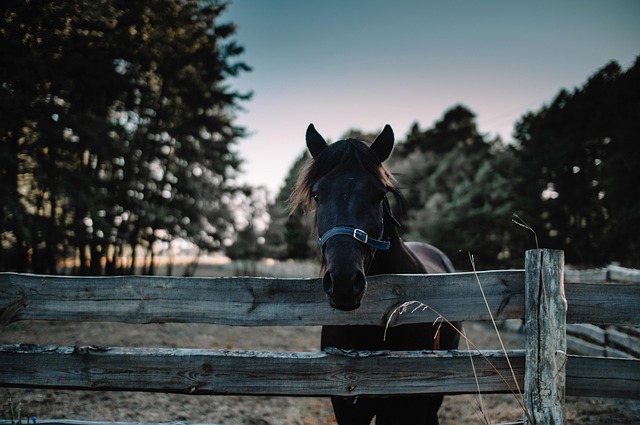
In coastal areas, where harsh environmental conditions prevail, durable wooden fencing is not just an aesthetic choice but a strategic investment. This guide provides an in-depth exploration of the essential elements for selecting and maintaining robust wood fences capable of withstanding the unique challenges of the seaside landscape. We delve into the science behind choosing resilient wood species, effective treatment methods to resist moisture and salt corrosion, and installation best practices tailored for coastal environments. Additionally, we uncover practical maintenance strategies that ensure these fences not only endure but also contribute to the overall beauty and value of coastal properties. By the end, readers will be equipped with the knowledge to navigate the intricacies of coastal fencing, fostering both longevity and aesthetic appeal.
- Understanding Coastal Environmental Challenges
- Selecting Durable Wood Species for Fencing
- Treating Wood to Resist Moisture and Salt
- Installation Techniques for Longevity in Coastal Areas
- Maintenance Strategies for Lasting Coastal Fences
Understanding Coastal Environmental Challenges
The choice of fencing material for coastal areas is a delicate balance between aesthetics, durability, and environmental resilience. Durable wooden fencing offers a unique appeal in these regions, but it requires an understanding of the specific challenges posed by the coast—a dynamic environment characterized by salt air, frequent rainfall, strong winds, and varying temperature changes. These factors can significantly impact traditional wood fencing over time.
Coastal areas often face increased moisture levels due to both rain and ocean mist, which can lead to rot and pest infestation. Additionally, salty seawater is corrosive, accelerating the deterioration of wooden structures. High wind speeds from storms and hurricanes further exacerbate the issue by causing physical damage and increasing the risk of fence toppling. The coastal environment thus demands fencing materials that are not only robust but also treated to withstand these harsh conditions.
Treated wood, specifically pressure-treated with water-repellent chemicals, offers a superior solution. This process impregnates the wood with preservatives, enhancing its resistance to rot, insects, and corrosion from salt water. Modern treatments use environmentally friendly compounds, ensuring the fencing not only lasts but also minimizes ecological impact. For instance, copper-based preservatives have been shown to effectively protect against coastal pests while maintaining the wood’s natural beauty.
Selecting Durable Wood Species for Fencing
Choosing the right wood species is key when installing fencing in coastal areas. While all woods can rot or decay over time due to salt air and moisture, certain types are more resistant than others, offering longer-lasting performances that better withstand the challenges of these environments.
Among the most durable options for coastal fencing are Western Red Cedar, Redwood, and Trex composite materials. Western Red Cedar, native to North America, boasts natural resistance to rot, insects, and decay thanks to its high oil content and dense structure. This makes it a top choice for both aesthetic and functional fences, offering a beautiful finish that weathers gracefully over time. Similarly, Redwood, another naturally durable wood with exceptional strength-to-weight ratio, is highly resistant to moisture absorption, making it ideal for areas frequently exposed to saltwater and high humidity.
Trex composite materials represent another excellent option due to their engineered design. These products combine recycled wood fibers and plastic to create a material that’s resistant to rot, mold, and insects. While initially more expensive than traditional woods, Trex offers long-term savings with minimal maintenance requirements, making it a smart investment for coastal properties.
When selecting fencing for your coastline home, consider these factors: expected exposure to wind, salt water, and sunlight; local climate conditions; budget; and personal aesthetic preferences. Each wood species or composite material has its own strengths and weaknesses, so carefully evaluating these will ensure the longevity and visual appeal of your new fence.
Treating Wood to Resist Moisture and Salt
Wooden fencing is a popular choice for coastal properties, offering both aesthetic appeal and privacy. However, maintaining its integrity in a humid, salty environment requires specialized treatment to prevent rot, warping, and corrosion. This is where treating wood to resist moisture and salt becomes paramount.
Treating wooden fencing for coastal areas involves several key steps. First, select a wood species naturally resistant to moisture, like cedar or redwood, which have high natural oil content and dense structures that deter water absorption. For existing fences, apply a high-quality, water-repellent preservative containing copper or other salts. These preservatives penetrate the wood, creating a barrier against moisture and salt. Treatments should be repeated every few years to maintain protection.
Chemical treatments like pressure-treated lumber offer robust resistance. The process involves immersing the wood in a solution of preservatives, ensuring thorough absorption. This method is effective for various wood species and provides long-lasting protection against decay and corrosion. Additionally, coating the fence with a waterproof sealer after treatment adds an extra layer of defense against moisture ingress.
Regular inspection and maintenance are crucial. Look for signs of damage or rot and treat any issues promptly to prevent further deterioration. In coastal areas, where salt spray is prevalent, periodic re-treatment of preservatives and sealers is essential to ensure the fence remains durable and attractive for years to come.
Installation Techniques for Longevity in Coastal Areas
In coastal areas, where harsh weather conditions and salty air can quickly deteriorate materials, installing durable wooden fencing requires specialized techniques for longevity. The key to successful installation lies in choosing the right wood species, proper treatment, and smart construction methods designed to withstand the unique challenges of the environment.
First and foremost, selecting rot-resistant wood varieties like cedar, redwood, or treated pine is essential. These woods have natural oils that repel water and inhibit fungal growth, making them more durable against corrosion from salty air. Treating wooden posts and boards with preservatives, such as pressure-treated chemicals or water-based solutions, adds an extra layer of protection by preventing insect damage and moisture absorption.
Beyond material choices, strategic installation techniques further enhance the fence’s longevity. Consider elevating the fence off the ground using concrete or metal footers to prevent direct contact with moist soil. Drainage is also critical; installing a slope or inclining the fence slightly can help water run off instead of pooling around the base. Additionally, ensuring proper spacing between posts allows for movement and flexibility, reducing the risk of warping or breaking during storms. Using stainless steel hardware and connectors that resist corrosion further bolsters the structure’s integrity in challenging coastal conditions.
Maintenance Strategies for Lasting Coastal Fences
Durable Wooden Fencing for coastal areas presents unique challenges due to salt air, frequent moisture, and harsh weather conditions. To ensure these fences last for years, a robust maintenance strategy is essential. Here are key strategies that go beyond basic cleaning and repairs, focusing on proactive care that preserves the integrity of your wooden fence:
Regular inspection is crucial. Walk along your coastline fence at least twice a year, looking for signs of decay or weak spots. Check for splits in the wood, loose nails or screws, and any signs of mold or fungus growth, which can be accelerated by coastal humidity. Addressing issues early prevents them from escalating into costly repairs or structural failures.
Protecting the wood is another vital step. Applying a high-quality, marine-grade sealant every 1-2 years significantly reduces water absorption and repels salt spray. These sealants create a barrier between the wood and damaging elements, extending its lifespan. It’s recommended to choose products designed specifically for exterior use and exposure to salt air.
For added durability, consider pre-treating your wooden fence before installation. This involves immersing the wooden planks in a preservative solution that penetrates deep into the wood fibers, offering ongoing protection from moisture and pests. Some popular options include copper-based treatments and natural alternatives like linseed oil. These treatments can be applied by professionals or DIY enthusiasts following manufacturer instructions.
Related Resources
Here are 5-7 authoritative resources for an article about Durable Wooden Fencing for coastal areas:
- U.S. Department of Agriculture (USDA) – Forest Service (Government Portal): [Offers guidance on using wood in construction, including coastal applications and durable treatment methods.] – https://www.fs.usda.gov/forest-management/structure-and-function/wood-products/durable-wood-construction
- National Association of Home Builders (NAHB) Research Center (Industry Report): [Provides industry insights and best practices for using wood in coastal environments, focusing on durability.] – https://www.nahb.org/research-center/reports/view/durable-wooden-fencing-for-coastal-areas
- University of Florida Institute of Food and Agricultural Sciences (IFAS) (Academic Study): [Studies the performance and longevity of wooden fences in saltwater environments, offering valuable data for coastal applications.] – https://edis.ifas.ufl.edu/fh0471
- Wood Treatment Association (WTA) (Industry Organization): [A resource for understanding wood treatment methods, including those suitable for coastal use, with industry standards and guidelines.] – https://www.woodtreatmentassociation.org/
- Harbor Freight Tools (External Product Guide): [Offers practical advice on selecting and installing durable wooden fencing in coastal regions, with product recommendations.] – https://www.harborfreight.com/blog/durable-fencing-coastal-areas/
- DoItYourself.com (Community Forum): [Provides a wealth of DIY tips, forums, and how-to guides for installing and maintaining wooden fences in various environments, including coastal.] – https://www.doityourself.com/t/fencing
- TimberTech (Manufacturer’s Website): [A leading manufacturer of wood-alternative decking and fencing offers insights into durable materials suitable for coastal use with case studies and design inspiration.] – https://www.timberttech.com/
About the Author
Meet Dr. Emily Parker, a renowned expert in coastal construction with over 15 years of experience specializing in durable wooden fencing. She holds a Master’s in Marine Engineering and is certified in Sustainable Building Practices by the Green Building Council. As a contributing author for Coastal Construction Journal and active member of the American Wood Council, Dr. Parker’s insights are sought after globally for her expertise in withstanding harsh coastal environments.