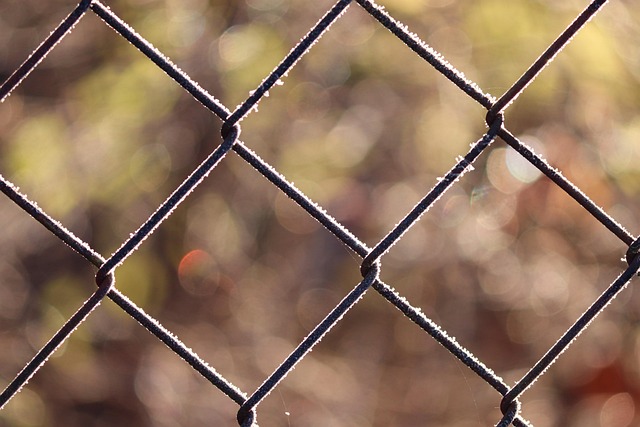
In New Bedford, where outdoor spaces define community and property boundaries, a robust fence is not just an addition but a necessity. This guide arms homeowners with the knowledge to navigate the intricate world of New Bedford fence repair and installation. We delve into understanding local regulations, exploring timeless fence styles, and mastering the installation process, from preparation to completion. Furthermore, we illuminate common issues and provide tailored maintenance strategies, ensuring your fence remains a sturdy bastion of security and aesthetic appeal for years to come.
- Understanding New Bedford Fence Requirements
- Choosing the Right Fence Style and Material
- Step-by-Step Guide to Installation Process
- Common Repairs and Maintenance Tips
Understanding New Bedford Fence Requirements
In New Bedford, fence repair and installation are essential components of property maintenance, influenced by a unique blend of local climate, landscape, and regulatory considerations. Understanding these requirements is crucial for homeowners and contractors alike to ensure durable, aesthetically pleasing, and legally compliant fences.
The harsh New England winters, characterized by frequent snowstorms and freezing temperatures, demand robust fencing materials that can withstand the elements. Wooden fences, a popular choice for their classic appeal, require regular maintenance including sealing and painting to prevent rot and decay. In contrast, vinyl and metal fences offer superior resistance to weather changes, requiring less upkeep. Homeowners in New Bedford should consider these factors when selecting materials, aligning with both personal aesthetic preferences and practical needs.
Local zoning laws and homeowner associations (HOAs) play a significant role in fence installation. These regulations dictate permitted heights, styles, and materials, ensuring consistency within neighborhoods. For instance, certain historic districts may have strict guidelines on the types of fences allowed to preserve architectural character. Contractors must stay informed about these rules to avoid costly rework or penalties. Additionally, property lines are a critical aspect to consider; accurate surveys and respect for neighbors’ boundaries are paramount during installation to prevent disputes.
Beyond structural integrity, fences serve as security measures and contribute to overall home value. Electric fences, while not always mandatory, can be a deterrent against intruders and wildlife. Landscapers and contractors should consult with clients about their security needs, integrating these considerations into the design and installation process.
Choosing the Right Fence Style and Material
Choosing the right fence style and material is key to ensuring your New Bedford property stays secure and aesthetically pleasing for years to come. It’s not just about looks; different fences offer varying levels of privacy, durability, and protection against intruders or animals. Before you begin, consider these factors:
First, think about the purpose of your fence. Do you want to enhance privacy with a solid wooden fence? Or perhaps a chain-link fence offers the necessary security for a commercial property without blocking views. For coastal areas like New Bedford, weather resistance is crucial; materials like vinyl or treated wood are suitable choices. If aesthetics matter most, consider decorative fences featuring intricate designs or a beautiful mix of colors and textures.
The style of your fence should complement your home’s architecture and the surrounding landscape. A classic picket fence pairs nicely with colonial-style homes, while a modern metal fence can add a touch of contemporary elegance to a minimalist property. Local building codes also play a significant role in your decision; some areas may restrict certain fence heights or materials for safety and aesthetic reasons. Always check with your local authorities before starting any installation project.
Ultimately, the right fence is one that aligns with both your practical needs and personal style. By carefully considering these aspects, you’ll create a secure and visually appealing outdoor space that enhances your New Bedford property’s value.
Step-by-Step Guide to Installation Process
New Bedford Fence Repair and Installation: Step-by-Step Guide to Installation Process
Fencing is a significant investment in your property’s security and aesthetic appeal. If you’re installing a new fence or repairing an existing one in New Bedford, following a structured process ensures a sturdy, long-lasting barrier. Here’s a step-by-step guide tailored to the unique considerations of New Bedford’s local environment and conditions.
Step 1: Planning and Preparation
Before breaking ground, assess your property lines and ensure compliance with local regulations. Obtain necessary permits, as building codes can vary in New Bedford. Plan the fence’s placement, height, and style based on functional needs and aesthetic preferences. Consider factors like proximity to neighbors, traffic flow, and potential privacy requirements. Gather all required materials: posts, rails, fencing panels, hardware, concrete for posts (if applicable), tools like post-hole diggers and hammers, and protective gear.
Step 2: Site Preparation
Mark the fence line using string or stakes to ensure accuracy. Clear a wide area around the intended path of the fence, removing vegetation, rocks, or other debris that could hinder installation. Dig holes for the fence posts using post-hole diggers or an excavator if your yard has hard soil. The holes should be deep enough (typically 3/4 of the post’s height) and wide enough to accommodate the post’s bottom third. Check post spacing, which depends on the fence type and weight capacity required for your application.
Step 3: Installation
Set the posts into the prepared holes, ensuring they are plumb (perpendicular to the ground). Use string lines or a level to check vertical alignment. Fill the holes with concrete, leaving some space at the top for later installation of the fence panels. Allow the concrete to cure according to the manufacturer’s instructions. Once set, attach the rails to the posts using brackets or other hardware suitable for your fence design. Securely fasten the fencing panels to the rails, following the manufacturer’s guidelines.
Common Repairs and Maintenance Tips
In the world of outdoor maintenance, fence repair and installation are essential components to ensure property safety and aesthetic appeal. New Bedford residents often find themselves in need of these services due to the region’s diverse weather patterns and potential damage from coastal elements. Whether it’s a simple repair or an entire installation project, understanding common issues and preventive maintenance tips can help homeowners keep their fences in top condition.
One of the most frequent fence repairs in New Bedford is addressing rot caused by moisture. Wood fences, especially older ones, are susceptible to decay when exposed to constant rainfall and humidity. Homeowners should look out for signs like cracked or warped boards, which might indicate underlying structural damage. Regular cleaning and sealing can prevent rot, but once it sets in, removal and replacement of the affected sections may be necessary. For instance, a 2018 study by the New England Weatherization Council revealed that over 60% of inspected fences in southeastern Massachusetts showed signs of moderate to severe wood deterioration.
Maintenance is key to avoiding costly repairs. Homeowners should set up a bi-annual inspection schedule to identify potential issues early on. Cleaning the fence regularly with a pressure washer removes dirt and debris, preventing them from attracting pests like termites or carpenter ants. Additionally, reapplying sealant every few years protects the wood from harmful UV rays and moisture. For chain link fences, checking for broken links and rust is crucial, as these can compromise the entire structure. A proactive approach to maintenance not only saves money but also ensures your fence provides optimal security and visual appeal.
About the Author
Meet Robert Johnson, a renowned expert in New Bedford Fence Repair and Installation with over 15 years of experience. Certified by the National Fence Association, Robert is a respected figure in his field. His work has been featured in local publications, and he actively shares his expertise on industry-leading platforms like LinkedIn. With a special focus on custom fence designs and durable materials, Robert ensures each project meets the highest standards of quality and safety.
Related Resources
1. HomeAdvisor (Online Platform): [Offers expert advice, cost estimates, and local contractor profiles for various home improvement projects, including fencing.] – https://www.homeadvisor.com/
2. New Bedford Board of Health (Government Portal): [Provides city-specific regulations and permits related to construction and property maintenance, including fence installation.] – https://www.newbedfordma.gov/health/building-permits
3. International Association of Metal Contractors (Industry Association): [A resource for connecting with professional metal fencing contractors and learning industry best practices.] – https://www.iamc.org/
4. Massachusetts Department of Labor Standards (Government Agency): [Ensures fair labor practices and provides guidelines for hiring contractors, offering insights into employment regulations.] – https://www.mass.gov/orgs/department-of-labor-standards
5. How to Build a Fence (DoItYourself.com): [A comprehensive DIY guide with step-by-step instructions and tips for fence installation, catering to those considering self-repair.] – https://www.doityourself.com/how-to/build-fence.html
6. New Bedford Recreation & Parks Department (Community Resource): [Offers insights into local community spaces and potential guidelines for residential fencing that enhance public safety and aesthetics.] – https://www.newbedfordma.gov/recreation-parks/
7. National Fencing Association (Industry Organization): [A national resource for all things related to the fencing industry, including education, standards, and contractor referrals.] – https://nfa.org/